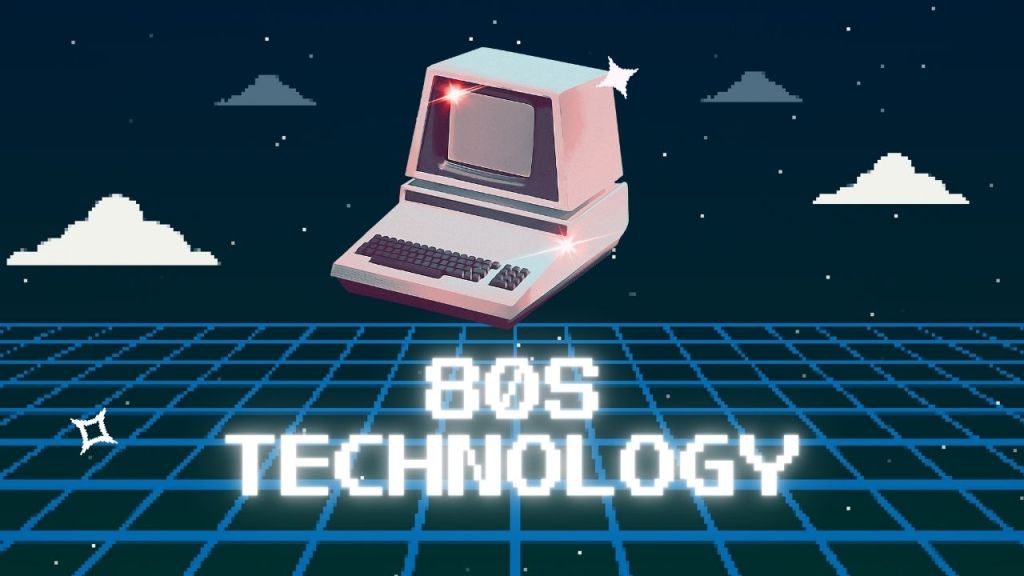
The 1980s. A decade of big hair, neon fashion, and, most importantly, groundbreaking 80s technology. It was a time when personal computers became a reality, music went portable, and video games moved from arcades into our living rooms. This era of technological innovation laid the groundwork for the digital world we live in today. Let’s take a nostalgic look back at some of the most iconic pieces of 80s tech that defined an era and sparked a true hardware revolution. Let’s get into it!
The Home Computer Revolution
Before the internet and smartphones, the 80s technology that changed everything was the personal computer. Companies like IBM, Apple, and Commodore battled for dominance, each with their own vision of what a home computer should be. The Commodore 64, in particular, was a game-changer. Priced for the average family, it brought computing into millions of homes, sparking a new generation of programmers and gamers. Its distinctive sound chip and accessible programming language made it a beloved piece of 80s tech.
But the Commodore 64 wasn’t alone in the realm of personal computers. The Apple II continued its reign from the late 70s, establishing itself as a staple in schools and homes with its color graphics and user-friendly design. Meanwhile, the IBM PC created a new industry standard that would influence computing for decades to come. This fierce competition led to rapid innovation, with each new model offering more power, better graphics, and a glimpse into the future of personal computing.
The software revolution accompanied this hardware boom. MS-DOS became the operating system of choice for many, while spreadsheet software like Lotus 1-2-3 and word processing programs transformed office work. The introduction of Windows 1.0 in 1985 hinted at the graphical user interfaces that would soon dominate the market.
The Walkman: Your Personal Soundtrack
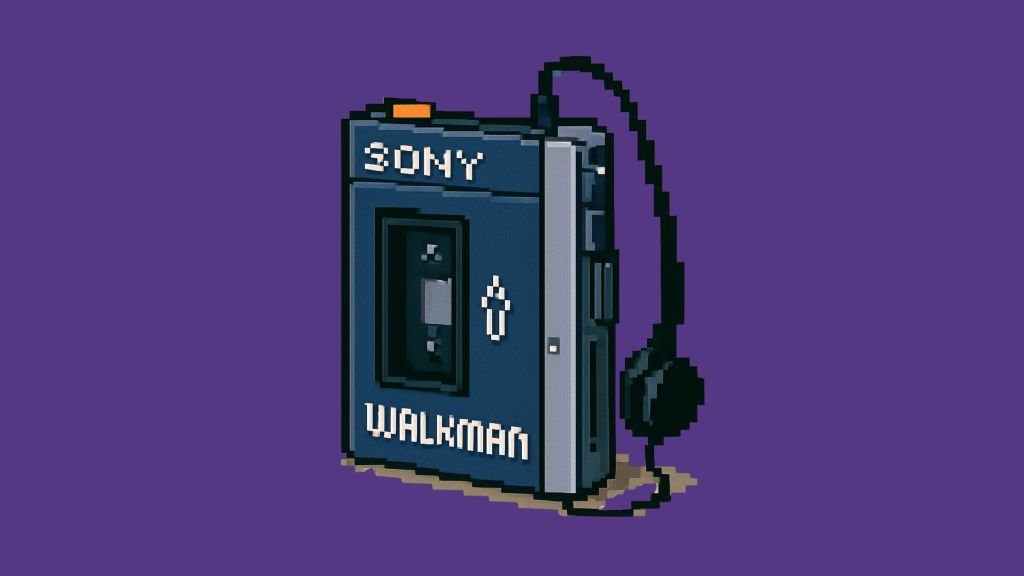
Today, we take streaming music on our phones for granted. But in the 80s, the dream of portable music was realized by the Sony Walkman. This iconic cassette player allowed people to listen to their favorite tapes on the go, forever changing how we consumed music. The Walkman was more than just a device; it was a cultural phenomenon that gave people a private soundtrack to their lives, kickstarting the portable music revolution.
Soon after, a new format emerged: the Compact Disc (CD). While not as portable as the cassette initially, the CD offered superior sound quality and durability. The release of CD players, both for the home and later for portable use, marked a significant shift in the music industry. It laid the foundation for the digital music formats that would eventually replace physical media entirely.
Arcade Mania & Home Gaming Consoles
The 80s were a golden age for video games, and the Nintendo Entertainment System (NES) was the undisputed king of home gaming consoles. After the video game crash of the early 80s, Nintendo revived the industry and brought arcade-quality gaming home. The NES, along with its unforgettable games like Super Mario Bros. and The Legend of Zelda, became a staple of family entertainment and a cornerstone of 80s technology.
But the NES wasn’t the only player in home entertainment. The Sega Master System offered a strong alternative, and handheld gaming found its start with devices like the Game & Watch. The Atari 2600, though introduced in the late 70s, continued to be popular in the early 80s, paving the way for the console wars to come.
Arcades were still a huge part of the culture, with people spending weekends with pockets full of quarters to play classics like Pac-Man, Donkey Kong, and Street Fighter II. The flashing lights, loud sounds, and high-score competition made the arcade a thrilling social hub. This era of gaming, both at home and in arcades, brought multiplayer action and immersive storytelling into the mainstream, creating the foundation for today’s billion-dollar gaming industry.
Communication Revolution
The 80s saw remarkable advancements in communication technology. The rise of the cellular phone, epitomized by the brick-like Motorola DynaTAC, marked the beginning of the mobile communication era. While these early mobile phones were far from the smartphones we use today, they represented a significant leap in personal communication.
Pagers, also known as beepers, became popular for quick messaging, especially among professionals who needed to stay connected on the go. In offices, fax machines revolutionized document sharing, allowing for rapid transmission of printed materials across long distances.
The groundwork for modern digital communication was also laid during this decade. Email systems began to emerge, with services like MCI Mail offering electronic messaging to businesses. CompuServe provided early access to online services, including forums and file sharing, foreshadowing the internet age to come.
Capturing Memories: Photography and Video
The 80s brought significant changes to how we captured and shared memories. Polaroid cameras, with their instant photo development, reached peak popularity, allowing people to see their photos moments after taking them. This instant gratification was a precursor to the digital photography era.
For moving images, the advent of camcorders put video recording capabilities into the hands of consumers. These devices, though bulky by today’s standards, allowed families to create and preserve video memories like never before. The VHS tape became the standard for home video, both for recording and for watching movies, leading to the rise of video rental stores and changing how we consumed film at home.
The Dawn of the Digital Age
While the internet as we know it today wasn’t yet a reality, the 80s saw crucial developments in networking technology. The creation of TCP/IP protocols laid the foundation for the modern internet. NSFNET, a project by the National Science Foundation, connected supercomputer centers across the United States, becoming a precursor to the global internet.
In 1989, Tim Berners-Lee proposed what would become the World Wide Web, though it wouldn’t be publicly available until the early 90s. The concept of domain names was introduced, setting the stage for the web addresses we use today.
Early forms of online communities emerged through bulletin board systems (BBS) and networks like FidoNet, allowing computer enthusiasts to connect and share information long before social media existed.
Technological Progress in Other Fields
The 80s weren’t just about personal technology; significant advancements were made in various scientific fields. Genetic engineering saw major breakthroughs, including the development of genetically modified organisms. The invention of the Polymerase Chain Reaction (PCR) revolutionized molecular biology, enabling rapid copying of DNA sequences.
In medicine, research into gene therapy began, promising new approaches to treating genetic disorders like cystic fibrosis. These groundbreaking advancements in biotechnology set the stage for many of the medical and scientific innovations we see today.
The Enduring Legacy of 80s Tech
Looking back, it’s easy to see how this decade’s innovations set the stage for our modern world. The clunky computers, pixelated games, and cassette players of the 80s were the ancestors of our laptops, smartphones, and streaming services. The 80s technology we grew up with wasn’t just a collection of gadgets; it was a catalyst that ignited our digital future.
From the introduction of the Apple Macintosh with its revolutionary graphical interface to the early versions of Adobe Photoshop changing the game for graphics editing, the 80s were filled with tech marvels that shaped the decades to come.
Conclusion: Stay Groovy, Tech Enthusiasts!
So, there you have it, a glimpse into the tech-tastic world of the 80s. From chunky personal computers to iconic gaming consoles, this era shaped the way we live, work, and play with technology. It was a time of innovation, neon lights, and unapologetic fun. The 80s saw the birth of the home entertainment revolution, the first steps towards the commercial internet, and software that would change the way we work forever.
As we look back on these groundbreaking advancements, we can appreciate how far we’ve come and how much of our current technology has its roots in these iconic 80s innovations. And hey, who knows what the future holds? Maybe in a few decades, someone will be writing a blog post about the totally tubular tech of the 2020s! Stay groovy, tech enthusiasts!
 Topazzi World
Leave a comment