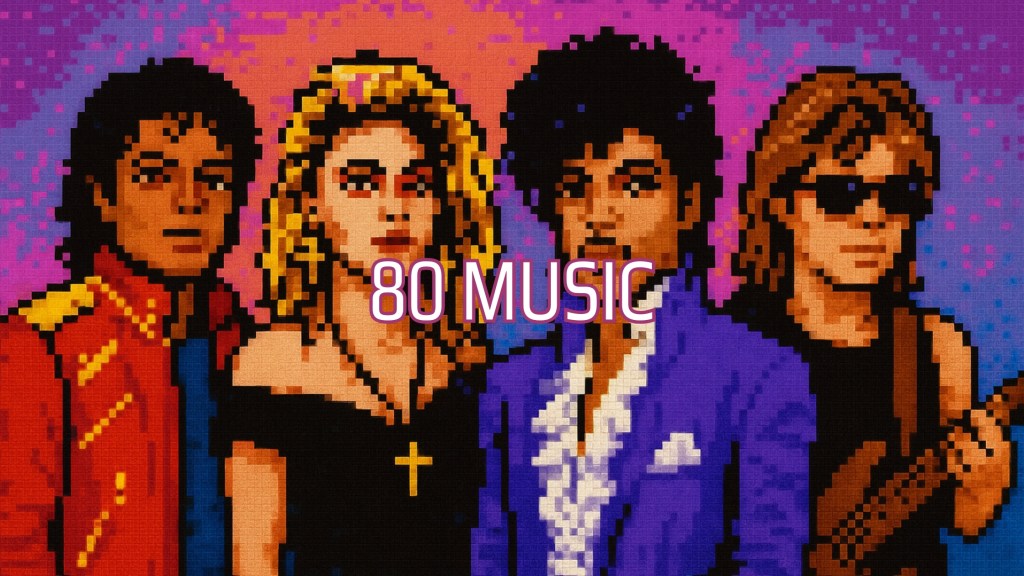
The 1980s were a time of musical innovation and cultural transformation, and this dynamic decade witnessed the rise of diverse music genres that continue to influence the music landscape today. Let’s take a journey through ten genres that left an indelible mark on the ’80s.
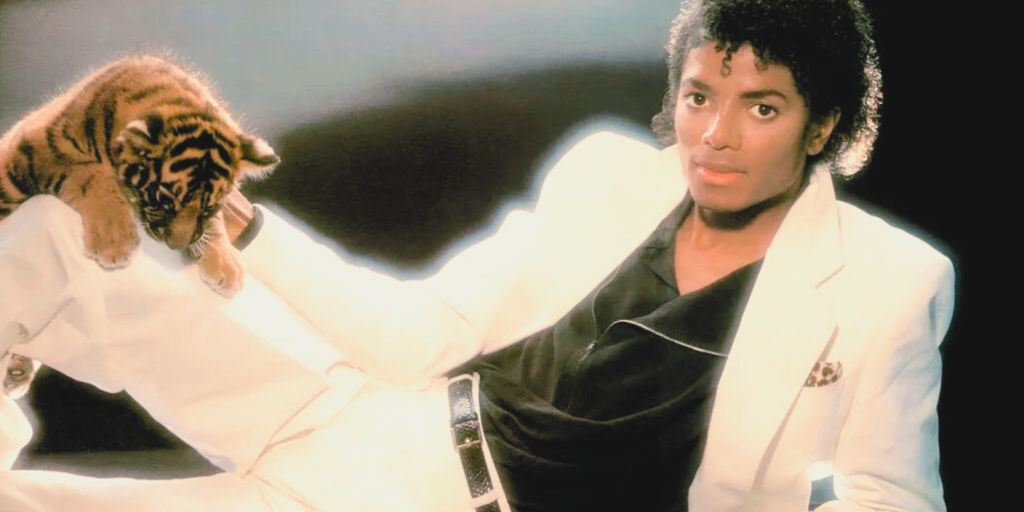
Pop: The Soundtrack of a Generation
The ’80s will forever be synonymous with pop music, with its infectious hooks, bold fashion, and groundbreaking music videos. Superstars like Michael Jackson moonwalked into the hearts of fans worldwide, while Madonna redefined pop culture with her provocative style and chart-topping hits. Prince, the enigmatic genius, gifted us with unforgettable classics. This era showcased the power of catchy melodies and pop anthems that transcended borders, making pop a genre that truly defined the decade.
Synthesizers, iconic dance beats, and neon aesthetics came to epitomize the ’80s pop sound. Whether you were grooving to Michael’s “Billie Jean,” Vogue-ing with Madonna, or partying like it was “1999” with Prince, the pop genre in the ’80s delivered timeless music that still reigns on playlists today.
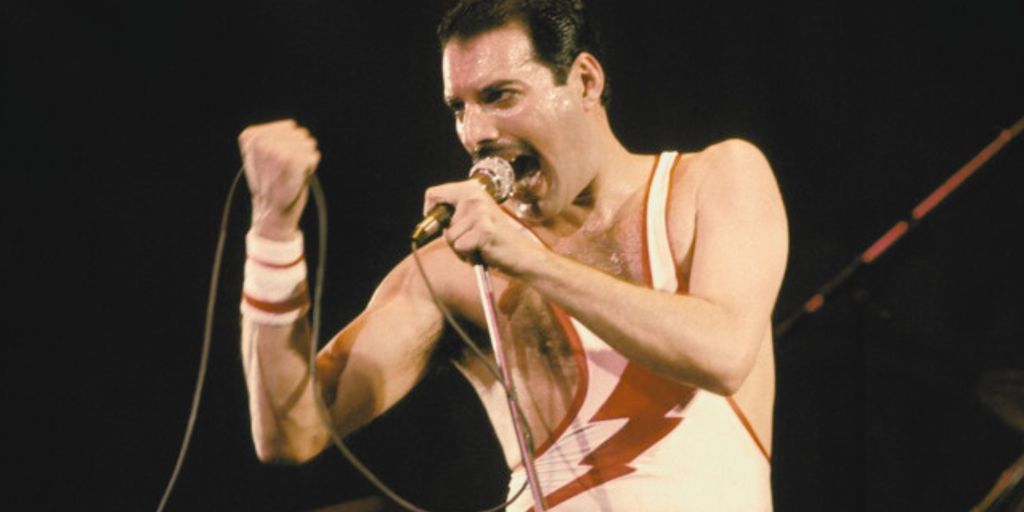
Rock: Anthems and Icons
Rock music in the ’80s was nothing short of a revolution. Classic rock legends like Queen, The Rolling Stones, and David Bowie continued to thrive with their larger-than-life performances. Meanwhile, the ’80s witnessed the rise of glam metal, with bands like Bon Jovi and Def Leppard donning leather and hairspray and crafting stadium anthems that defined the era. On the edgier side, alternative rock bands like R.E.M. and The Smiths pushed boundaries, setting the stage for the alternative rock explosion of the ’90s. Rock, in all its forms, was a genre that shaped the musical landscape of the ’80s, offering an eclectic mix of styles and sounds that catered to a wide range of tastes.
The ’80s rock scene was about excess, energy, and unforgettable guitar riffs. Whether you were singing along to “Bohemian Rhapsody,” raising your lighter to “Sweet Child o’ Mine,” or diving into the introspective lyrics of The Cure, rock in the ’80s was a journey through a rich and varied sonic landscape that still rocks our world today.
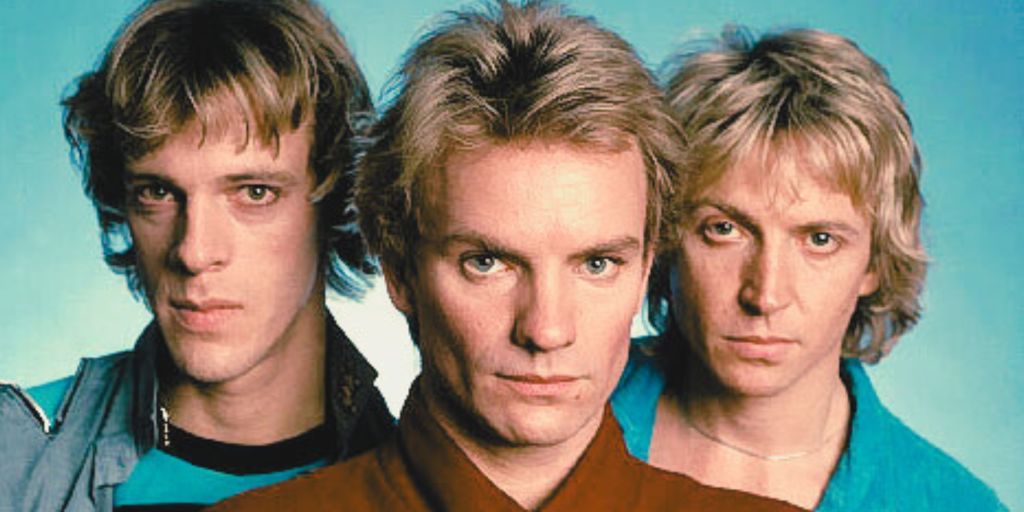
New Wave: A Sonic Revolution
New Wave music was a breath of fresh air in the ’80s, blending punk’s rebellious spirit with electronic and pop sensibilities. Bands like Duran Duran, Depeche Mode, and The Police stood at the forefront of this genre, utilizing synthesizers and drum machines to create infectious melodies. The music was accompanied by stylish music videos that became iconic in their own right, capturing the essence of the era. New Wave’s innovative approach to music production and fashion set a new standard for artistic expression in the ’80s.
With its distinctive sound, characterized by catchy hooks and distinctive vocals, New Wave left an indelible mark on the decade’s cultural landscape. Songs like “Hungry Like the Wolf” and “Don’t You (Forget About Me)” became anthems of the era, proving that New Wave was more than just a passing trend; it was a musical revolution that continues to inspire artists today.
Hip-Hop: A Cultural Phenomenon
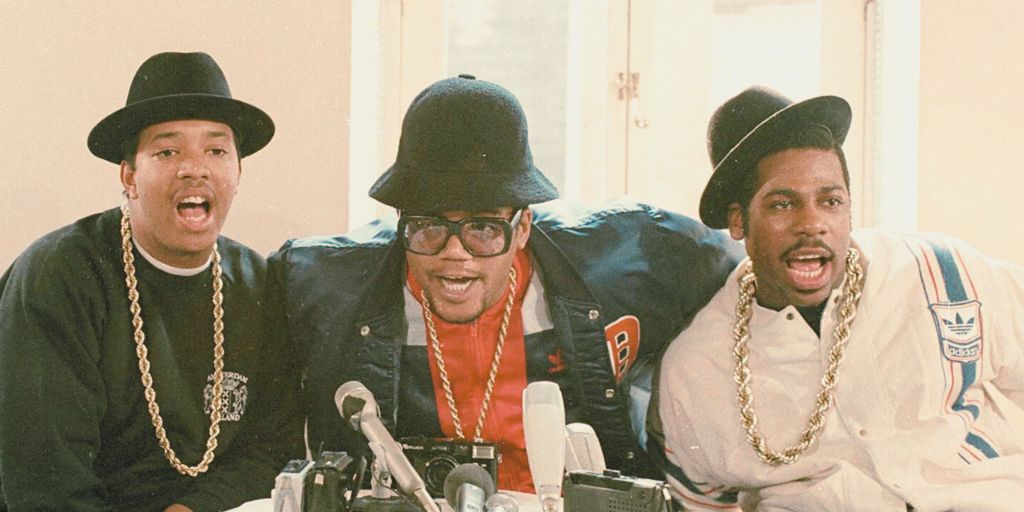
The ’80s marked the dawn of hip-hop’s meteoric rise from the streets of New York to the global stage. Pioneers like Run-D.M.C., Grandmaster Flash and the Furious Five, and LL Cool J were instrumental in shaping the genre’s early sound and culture. Hip-hop was more than just music; it was a cultural movement that brought forth new styles of fashion, dance, and artistic expression. Breakdancing battles, graffiti art, and DJ scratching became integral components of hip-hop’s vibrant scene.
The genre’s lyrical storytelling and social commentary addressed the realities of urban life, giving a voice to marginalized communities. Tracks like “Rapper’s Delight” and “The Message” became anthems for a generation, and the influence of ’80s hip-hop continues to reverberate through contemporary rap music. The ’80s were the birthplace of hip-hop’s global domination, setting the stage for its evolution into one of the most influential music genres of our time.
Synth-Pop: A World of Electronic Dreams
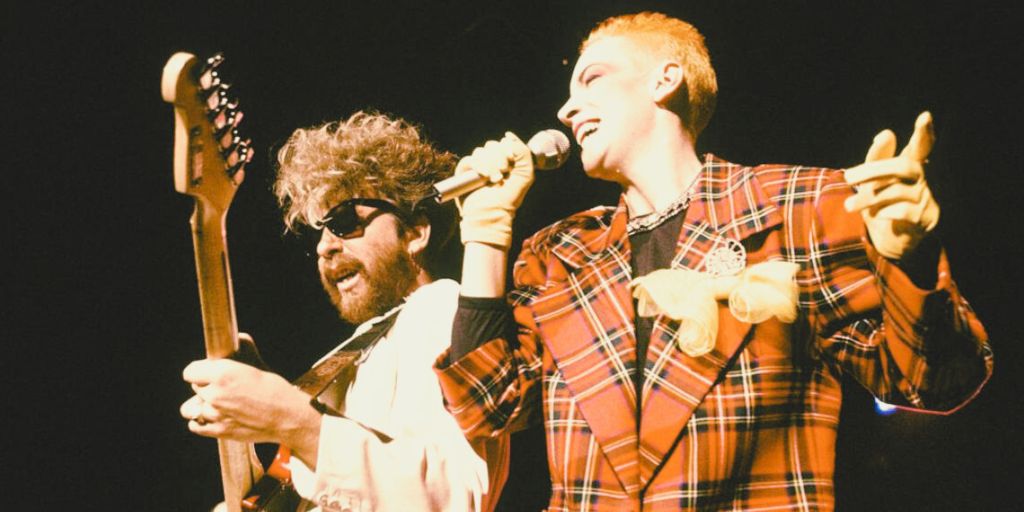
Synth-pop, characterized by its heavy use of synthesizers and electronic instrumentation, defined the sonic landscape of the ’80s. Acts like A-ha, Eurythmics, and Gary Numan crafted futuristic and catchy melodies that seamlessly blended with the era’s technological advancements. Synth-pop was not just about music; it was a visual and auditory experience, often accompanied by visually stunning music videos that reflected the bold aesthetics of the decade.
The ’80s synth-pop sound was marked by its embrace of technology, and the genre played a pivotal role in shaping the electronic music scene that followed. Songs like “Take on Me” and “Sweet Dreams (Are Made of This)” showcased the genre’s ability to transport listeners to otherworldly realms, and its influence can still be heard in today’s electronic and pop music.
Heavy Metal: From Anthems to Power Ballads
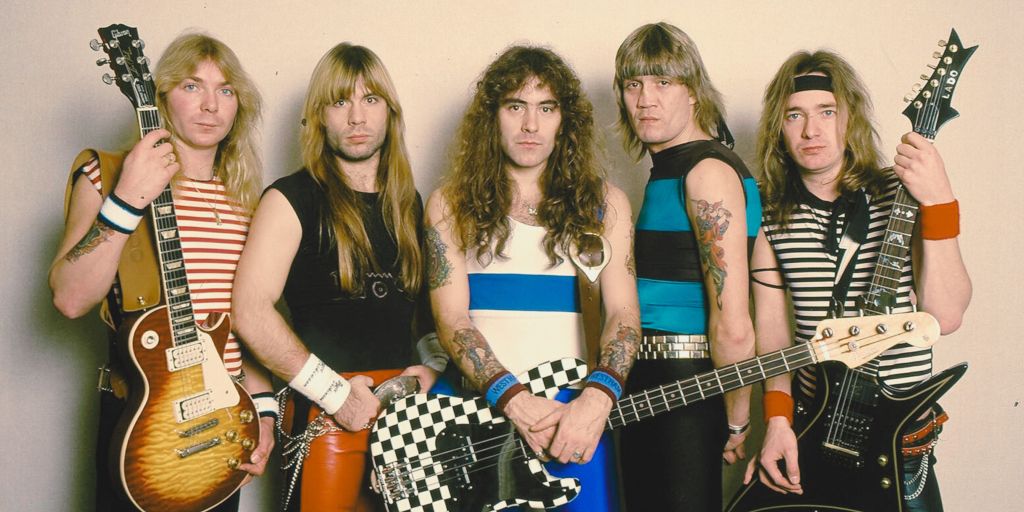
Heavy metal in the ’80s was a force to be reckoned with, offering a spectrum of subgenres and electrifying performances. Classic heavy metal bands like Iron Maiden and Judas Priest continued to deliver epic anthems, while glam metal took the genre to new heights with bands like Guns N’ Roses and Poison. The era was marked by larger-than-life personalities, virtuosic guitar solos, and an unapologetic sense of theatricality.
Beyond the electrifying energy of heavy metal anthems, the ’80s also saw the emergence of power ballads, with bands like Scorpions and Whitesnake delivering emotionally charged, lighter-waving songs. Heavy metal’s influence in the ’80s extended beyond music, shaping fashion, and even inspiring the culture of “hair metal.”
Each subgenre brought its own unique flavor to the metal scene, making the ’80s a golden era for headbangers and ensuring that heavy metal remains an enduring genre that continues to evolve and thrive.
Electronic Dance Music (EDM): The Beat Goes On
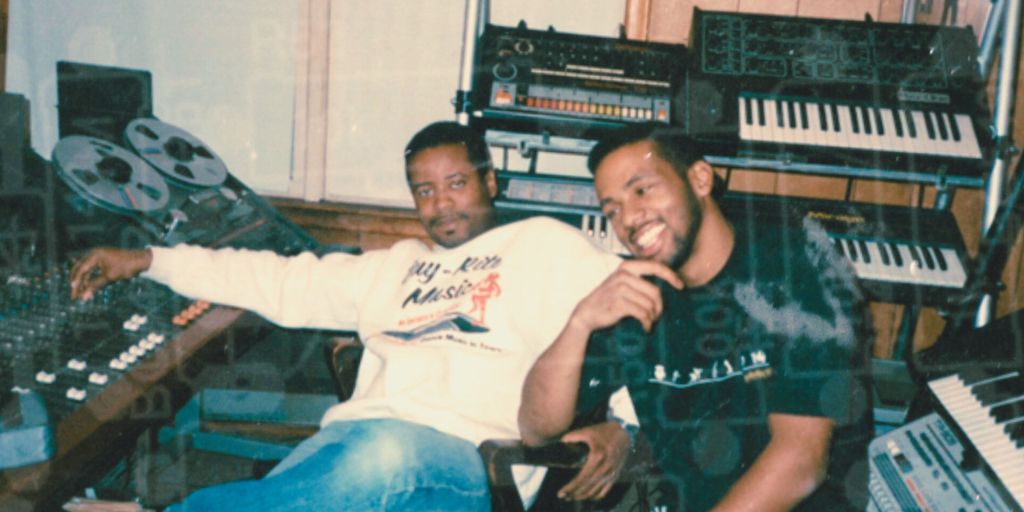
The ’80s laid the groundwork for the electronic dance music (EDM) revolution that would follow. Cities like Detroit and Chicago were at the epicenter of this musical evolution, with techno and house music emerging as the primary catalysts. Artists like Juan Atkins and Frankie Knuckles pioneered the genre, laying the foundation for the global EDM phenomenon that would explode in the following decades.
EDM in the ’80s was characterized by its hypnotic beats and futuristic soundscapes, setting the stage for the rave culture of the ’90s and the electronic dance festivals of today. The genre’s focus on rhythm and the power of the DJ as a musical curator transformed the way people experienced and connected with music, making the ’80s a pivotal era in the evolution of dance music.
The ’80s were an electrifying time in music history, where experimentation and innovation in various genres pushed boundaries and captured the essence of the era’s culture. From the neon-lit dance floors of synth-pop to the raw energy of heavy metal and the transformative power of hip-hop, the music of the ’80s continues to inspire and influence generations of artists and music lovers alike.
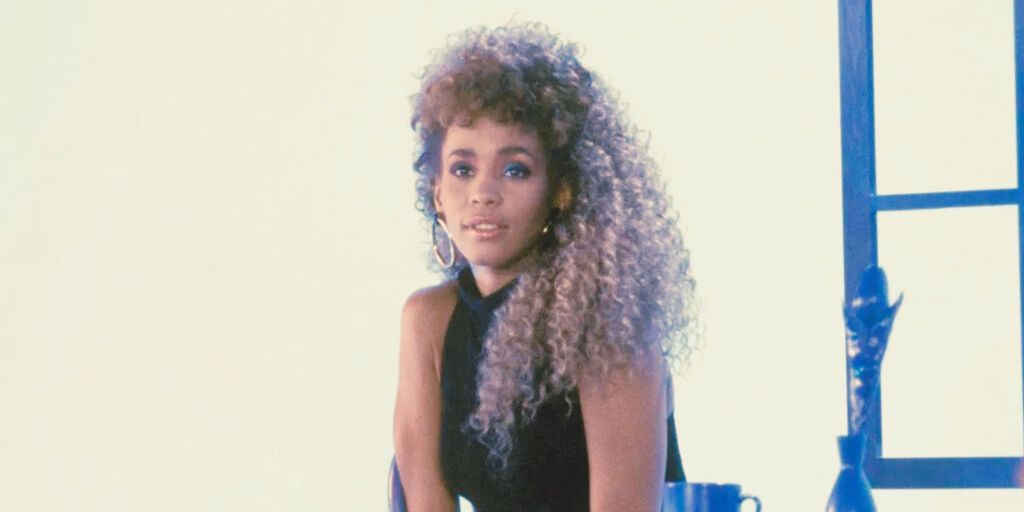
R&B and Soul: A Soulful Decade
The ’80s marked a vibrant era for R&B and soul music, characterized by smooth vocals and emotionally charged ballads. Legendary artists like Whitney Houston, Luther Vandross, and Stevie Wonder dominated the charts with their soulful melodies and heartfelt lyrics. These artists created timeless classics that continue to be beloved by audiences around the world.
R&B and soul in the ’80s often explored themes of love, heartache, and empowerment, resonating deeply with listeners. Songs like “I Will Always Love You” and “Never Too Much” showcased the genre’s ability to evoke powerful emotions and make lasting connections with its audience. The ’80s were a decade of soulful expression, and these artists paved the way for the R&B and soul music that followed.
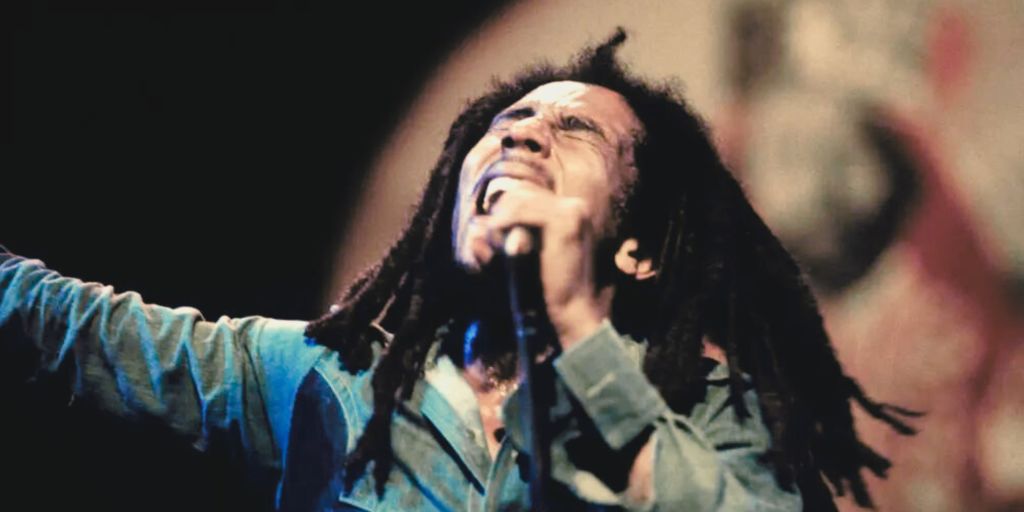
Reggae and Dancehall: Jamaica’s Global Impact
Reggae music, with its roots in Jamaica, continued to have a global impact in the ’80s. The legacy of Bob Marley lived on, and artists like Jimmy Cliff and Peter Tosh carried the torch for reggae’s message of love, unity, and social consciousness. The ’80s also saw the rise of dancehall music, characterized by its faster tempo and innovative production techniques.
Reggae and dancehall in the ’80s not only provided a soundtrack for the Caribbean but also influenced artists and music scenes around the world. The infectious rhythms and positive vibes of reggae and the energetic beats of dancehall made their mark on pop culture, and the genre’s influence can still be heard in contemporary music today.
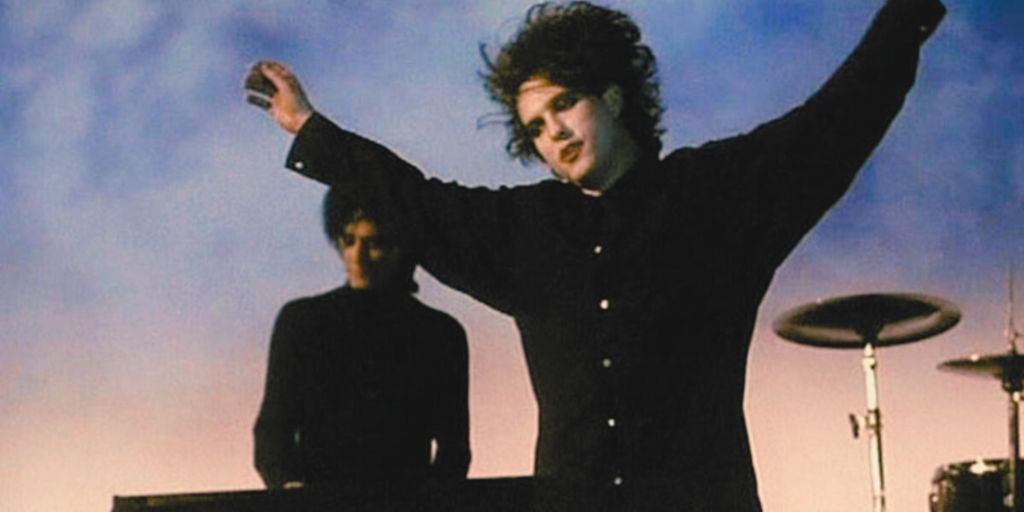
Post-Punk: Pushing the Boundaries
Post-punk in the ’80s represented a departure from the punk rock of the ’70s, embracing a more experimental and diverse sound. Bands like Joy Division, The Cure, and Siouxsie and the Banshees explored darker and more atmospheric territory, often incorporating synthesizers and unconventional song structures.
This genre appealed to those seeking a more cerebral and introspective music experience. Songs like “Love Will Tear Us Apart” and “Just Like Heaven” captured the essence of post-punk, pushing the boundaries of what rock music could be. Post-punk’s influence extended beyond the ’80s, shaping the alternative rock landscape of the following decades.
Multitude of Music Genres
The ’80s were a musical tapestry woven from a multitude of genres, each contributing to the vibrant and diverse soundscape of the era. Whether you were dancing to the pulsating beats of synth-pop, rocking out to guitar-driven anthems, or feeling the soulful melodies of R&B, the music of the ’80s continues to resonate with music lovers of all generations. It was a decade that defined genres, inspired movements, and left an enduring legacy in the world of music.
Disclaimer: The Spotify playlists featured here have been curated by Spotify or other individuals and are not created by me.

 Topazzi World
Leave a comment